

Servo-Driven Softgel Encapsulation Machine | Mid-Capacity Automatic Soft Gel Capsule Filler with CE Safety
Product Overview
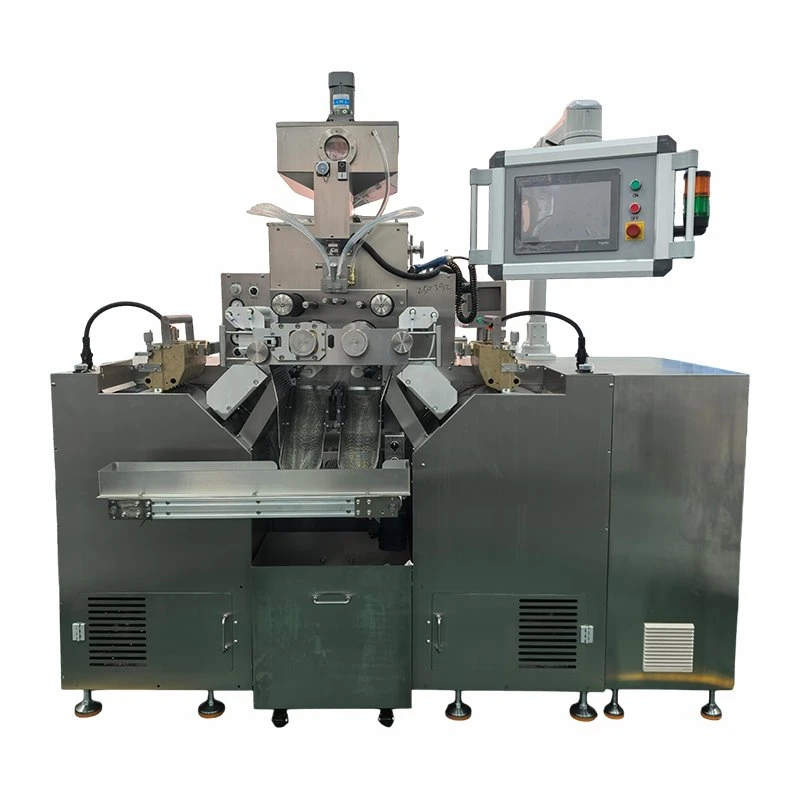
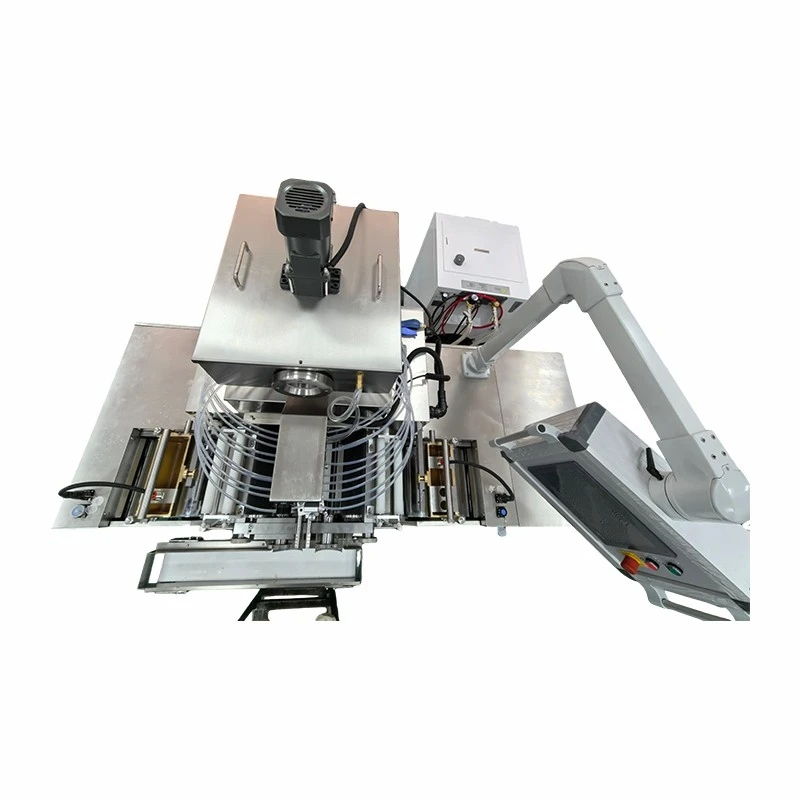
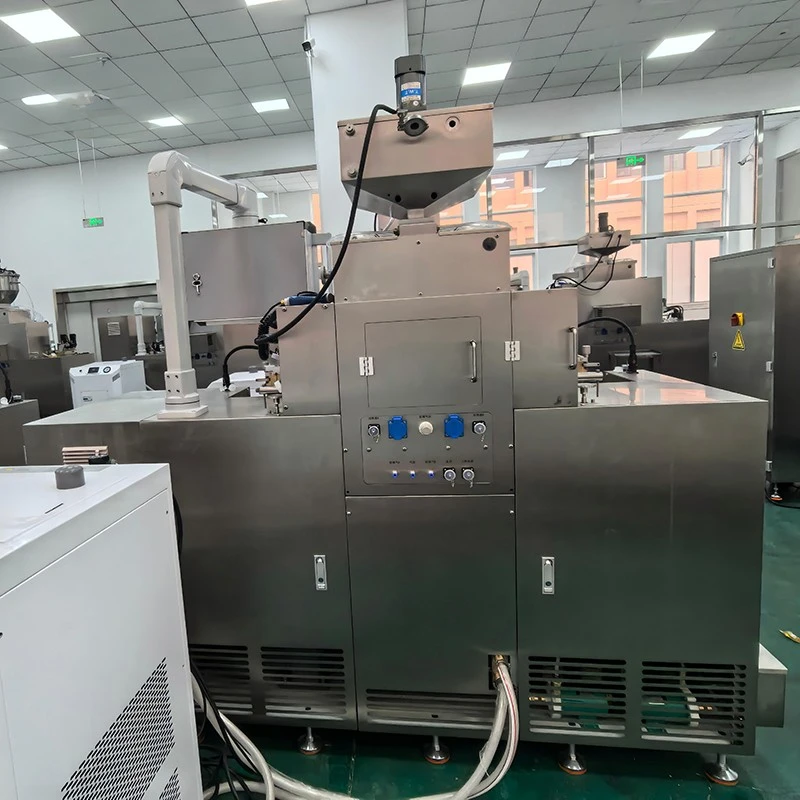
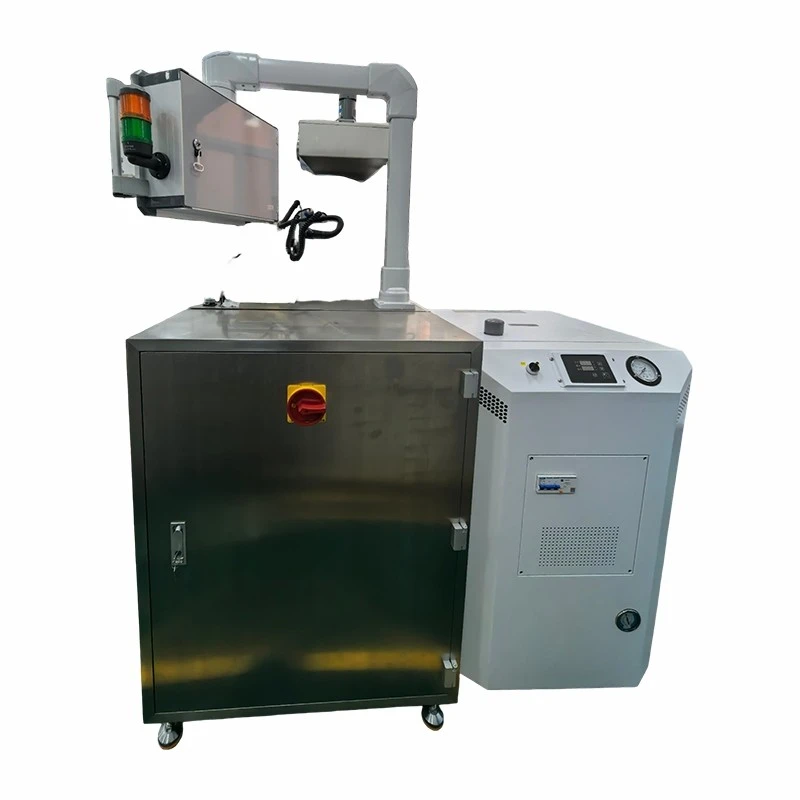
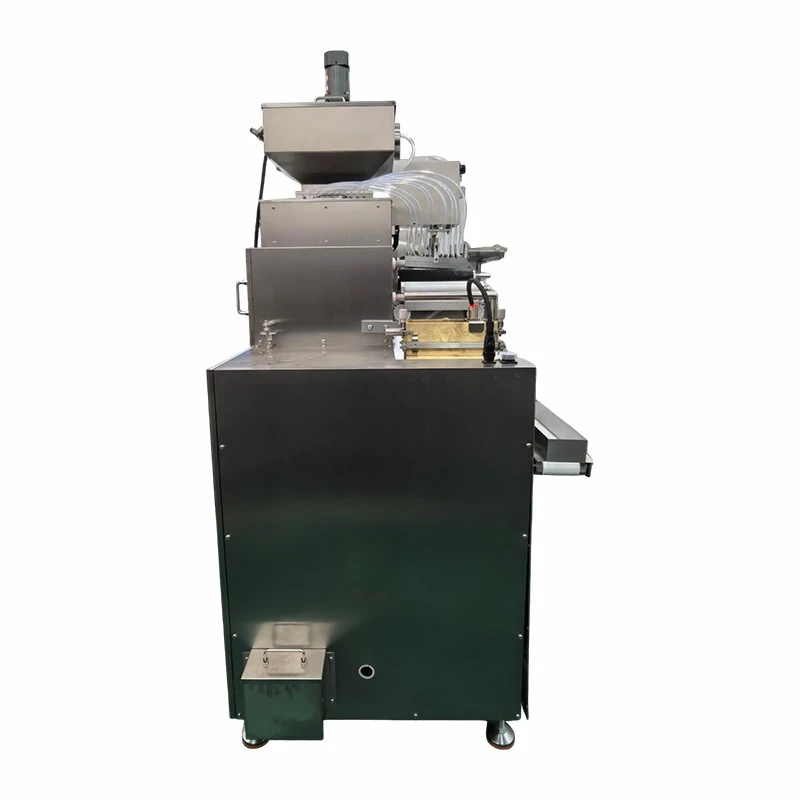
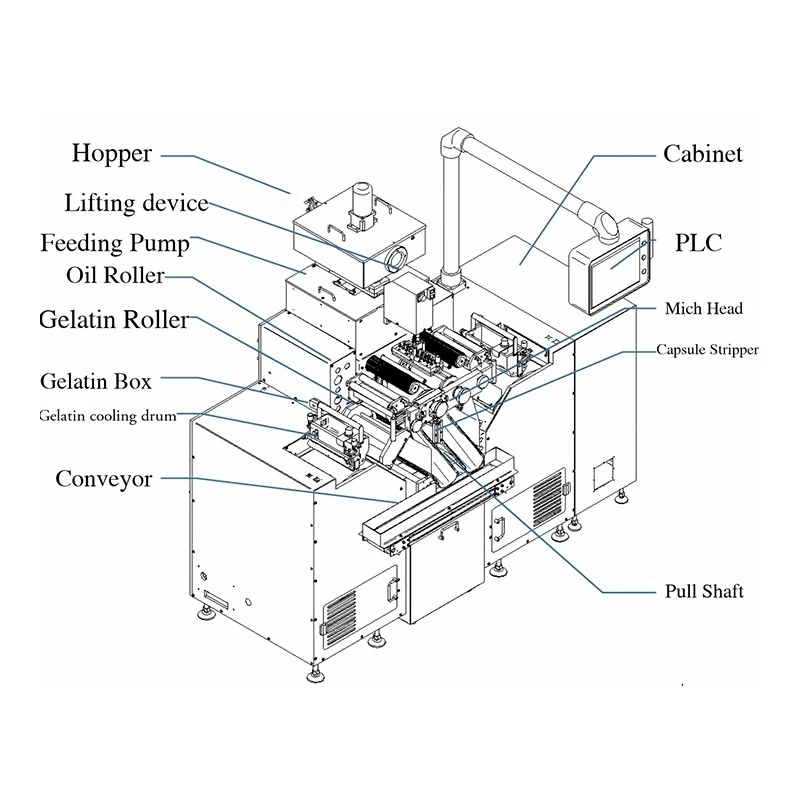
The Vitol VIT10-SF is a fully servo-driven production-grade rolling-mode softgel encapsulation machine designed for continuous large-scale manufacturing of pharmaceutical, nutraceutical, and plant-based soft capsule products. This 250-II Softgel servo encpasulation machine combines the precision of segmented independent servo motor drive technology with the proven reliability of standard 6" × 10" rotary die tooling, delivering advanced process automation at a mid-range production capacity ideal for growing pharmaceutical and health supplement manufacturers.
Powered by Siemens PLC control architecture, this CE-certified 250-II Softgel servo encpasulation machine features comprehensive operational parameter storage, fault code self-diagnosis, and built-in remote communication capability for real-time technical support. The electrical control system is engineered to CE Safety Level 3 standards with multiple protection layers including overload, over-temperature, leakage detection, and mechanical limit safeguards. The entire machine system is designed in full alignment with GMP pharmaceutical manufacturing requirements, making it suitable for regulated production facilities across the European Union, United States, and Southeast Asian markets.
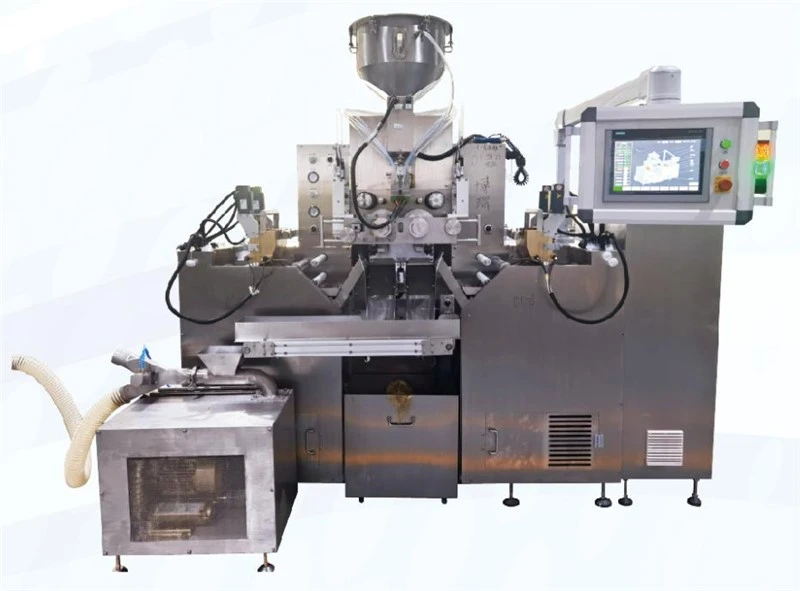
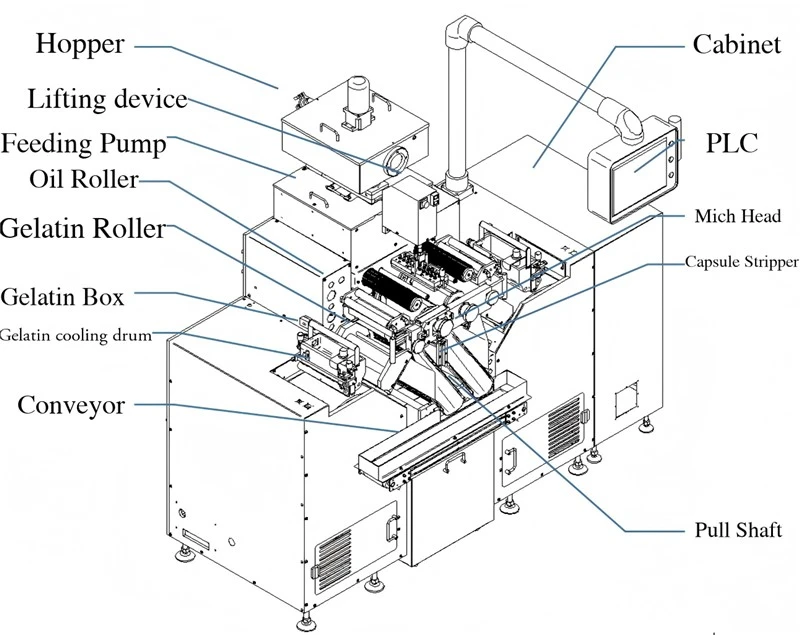
The advanced servo control platform enables automatic die roll alignment, automatic injection time calibration, digital dosage adjustment, and real-time gelatin ribbon thickness detection with closed-loop adjustment. The system also incorporates impact-free fill pump technology that delivers gentler material handling for shear-sensitive formulations. For pharmaceutical manufacturers stepping up from mechanical encapsulators to servo-driven automation, or for CDMOs requiring flexible mid-volume production capability, this machine represents an accessible entry into precision servo softgel manufacturing without the capital commitment of high-output industrial platforms.
Technical Specifications
|
Specification |
Technical Parameter |
|
Mold |
VIT10SF |
|
Die Roll Speed Range |
1 – 6 rpm (servo-controlled variable speed) |
|
Die Roll Format |
Φ150 mm × 250 mm (6" × 10" industry standard) |
|
Fill Pump Plungers |
10 plungers per side (20 total fill stations) |
|
Fill Weight Accuracy |
±1.5% at 1.5 mL nominal fill volume |
|
Theoretical Output – 8# Oval |
120,960 capsules/hour @ 4 rpm production speed |
|
Theoretical Output – 20# Oblong |
55,440 capsules/hour @ 4 rpm production speed |
|
Servo Motor Configuration |
8 axes: 2 die rolls, 2 feed pumps, 4 gelatin boxes |
|
Control Platform |
Siemens PLC with touchscreen HMI |
|
Gelatin Roller Lubrication |
Four independent micro-metering lubrication pumps |
|
Electrical Safety Rating |
CE Safety Level 3 with multi-layer protection |
|
Overall Machine Dimensions |
2,250 mm × 1,150 mm × 2,150 mm (L × W × H) |
|
Regulatory Design Standard |
GMP pharmaceutical-grade construction |
Servo Control Technology Platform
Eight-Axis Segmented Independent Servo Drive
This automatic softgel encapsulator employs fully segmented independent servo motor drives across eight motion axes-two dedicated to die roll synchronization, two controlling the precision fill pumps, and four managing the gelatin ribbon supply system. Unlike mechanically linked machines where all functions operate at fixed ratios, each servo axis operates independently under coordinated PLC control, enabling precise optimization of every process parameter. This segmented architecture allows operators to fine-tune individual functions without mechanical reconfiguration, supporting faster product changeovers and improved process optimization for different formulation characteristics.
Automatic Die Roll Alignment
The servo-driven die alignment system enables one-touch automatic registration of both left and right die roll sets directly from the HMI interface. The precision servo motors index the die rolls into perfect rotational alignment, eliminating the time-consuming manual alignment procedures required on conventional mechanical softgel machines. This automated capability reduces setup time, minimizes material waste during machine startup, and ensures consistent capsule seam quality from the beginning of each production run.
Automatic Injection Time Calibration
The fill injection timing is automatically calibrated by the servo control system, precisely synchronizing the pump discharge cycle with die roll position. Accurate injection timing is critical for achieving consistent fill weights and minimizing capsule rejects. The automated calibration function removes the operator dependency and variability associated with manual timing adjustments, contributing to more reproducible batch-to-batch performance.
Digital Dosage Adjustment
Fill volume is fully adjustable through digital HMI inputs, with the servo-driven fill pumps delivering precise volumetric control. Operators can fine-tune dosage parameters during production without stopping the machine, enabling rapid optimization for different formulation viscosities and capsule sizes. The digital adjustment capability supports gradual ramp-up during production startup and precise dosage matching during product development transfers.
Impact-Free Fill Pump Technology
A distinctive feature of this servo softgel encapsulation machine is its impact-free filling pump function, enabled by precision servo motion profiling. The fill pump stroke is electronically controlled to deliver smooth acceleration and deceleration profiles, eliminating the mechanical shock and shear forces characteristic of cam-driven pump systems. This gentle pumping action is particularly beneficial for shear-sensitive fill materials, biological active ingredients, and formulations containing suspended particles that could be damaged by abrupt mechanical motion.
Automatic Ribbon Thickness Detection & Control
The integrated gelatin ribbon thickness detection system continuously monitors film thickness and automatically adjusts process parameters to maintain the target specification. Operators input the desired ribbon thickness on the touchscreen, and the closed-loop control system manages gelatin box levels, roller speeds, and temperature parameters to achieve and maintain the setpoint. Automated thickness control reduces gelatin waste during startup, improves capsule wall uniformity, and minimizes operator attention requirements during production runs.
Electrical Safety & Intelligent Diagnostics
CE Safety Level 3 Electrical System
The 250-II Softgel servo encpasulation machine's electrical control system is designed and constructed to CE Safety Level 3 standards, incorporating multiple layers of protection for both equipment and personnel. Safety systems include overload protection for all motors, over-temperature monitoring of critical components, leakage detection for fluid systems, and mechanical limit switches to prevent over-travel of moving assemblies. This comprehensive safety architecture is particularly important for pharmaceutical manufacturing facilities operating under EU regulatory frameworks, where machinery safety compliance is rigorously audited.
Fault Code Self-Diagnosis System
The Siemens PLC control system includes built-in fault code self-diagnostic capability that automatically detects, identifies, and displays operational anomalies on the HMI interface. Each fault condition generates a specific diagnostic code with descriptive information, enabling maintenance personnel to rapidly identify root causes and implement corrective actions. The self-diagnostic system reduces troubleshooting time, minimizes production downtime, and supports effective preventive maintenance planning.
Remote Communication Interface
A built-in remote communication interface enables remote connectivity for production guidance, technical troubleshooting, and software parameter adjustments by factory engineering teams. This remote support capability is especially valuable for international customers in Southeast Asia, Europe, and North America, allowing rapid technical assistance without requiring on-site service visits for routine adjustments or diagnostic support. The remote interface also facilitates software updates and parameter optimization based on accumulated production data.
GMP Compliance & Sanitary Design
Pharmaceutical GMP Construction Standard
The entire machine system is designed in accordance with GMP pharmaceutical standards for production equipment. All product-contact surfaces are fabricated from pharmaceutical-grade stainless steel with smooth, crevice-free finishes appropriate for cleaning validation programs. The machine frame and enclosure panels use sanitary design principles with sloped surfaces, rounded corners, and minimal horizontal ledges where contamination could accumulate. The overall design supports installation in Class D cleanroom environments typical of oral dosage form manufacturing facilities.
Four-Channel Micro-Lubrication System
The gelatin roller lubrication system uses four independent micro-metering lubrication pumps that deliver precisely controlled lubricant volumes to each roller surface. The digital lubrication control ensures uniform oil film distribution, preventing capsule sticking while minimizing lubricant carryover onto finished products. Reduced lubricant carryover eliminates the need for post-encapsulation capsule washing, shortening overall production cycle time and reducing the risk of product contamination from cleaning processes.
Parameter Storage & Recipe Management
The Siemens PLC system supports storage of multiple production parameter sets, enabling recipe management for different products and formulations. Stored parameters include speed settings, temperature profiles, lubrication rates, and fill pump calibration values. Recipe recall ensures reproducible process conditions across production batches, supporting batch-to-batch consistency requirements for pharmaceutical quality management systems and regulatory compliance documentation.
Capsule Format Versatility
Using the industry-standard 6" × 10" die roll format, this servo-driven softgel encapsulation machine accommodates the full range of standard softgel shapes and sizes used in pharmaceutical and nutraceutical manufacturing.
Plant-Based & Specialty Formulations
The machine supports both traditional gelatin-based softgels and plant-based starch capsule formulations without requiring mechanical reconfiguration. This dual-material capability enables manufacturers to serve both conventional and vegetarian/vegan product markets on a single production platform. Custom shape tooling is also available for specialty applications including pediatric dosage forms and branded consumer products.
Industry Applications
Pharmaceutical Manufacturing
For pharmaceutical producers, the servo-driven encapsulation platform supports commercial-scale production of lipid-based drug formulations, poorly soluble API delivery systems, and prescription softgel products requiring tight dosage control. The GMP-compliant design, CE safety certification, and Siemens control architecture align with expectations for regulated manufacturing facilities supplying EU, US, and ASEAN markets.
Nutraceutical & Health Supplements
Nutraceutical manufacturers benefit from the combination of high production consistency and flexible changeover capability. The automatic setup features reduce downtime between product campaigns, making the machine well-suited for contract manufacturers and private label producers handling multiple SKUs.
Plant-Based & Vegan Softgel Production
The machine's capability to process both gelatin and starch-based shell materials supports the fast-growing market for vegetarian and vegan softgel products. The precise servo control ensures consistent capsule formation with alternative shell materials that can be more challenging to process on conventional mechanical equipment.
Global Installation & Support Services
On-Site Commissioning & Training
Professional service engineers provide complete on-site installation, commissioning, and operator training at customer facilities worldwide. The commissioning process includes full mechanical assembly verification, electrical safety testing, production parameter optimization, and hands-on operator instruction covering machine operation, routine maintenance, and basic troubleshooting.
Secure Global Shipping
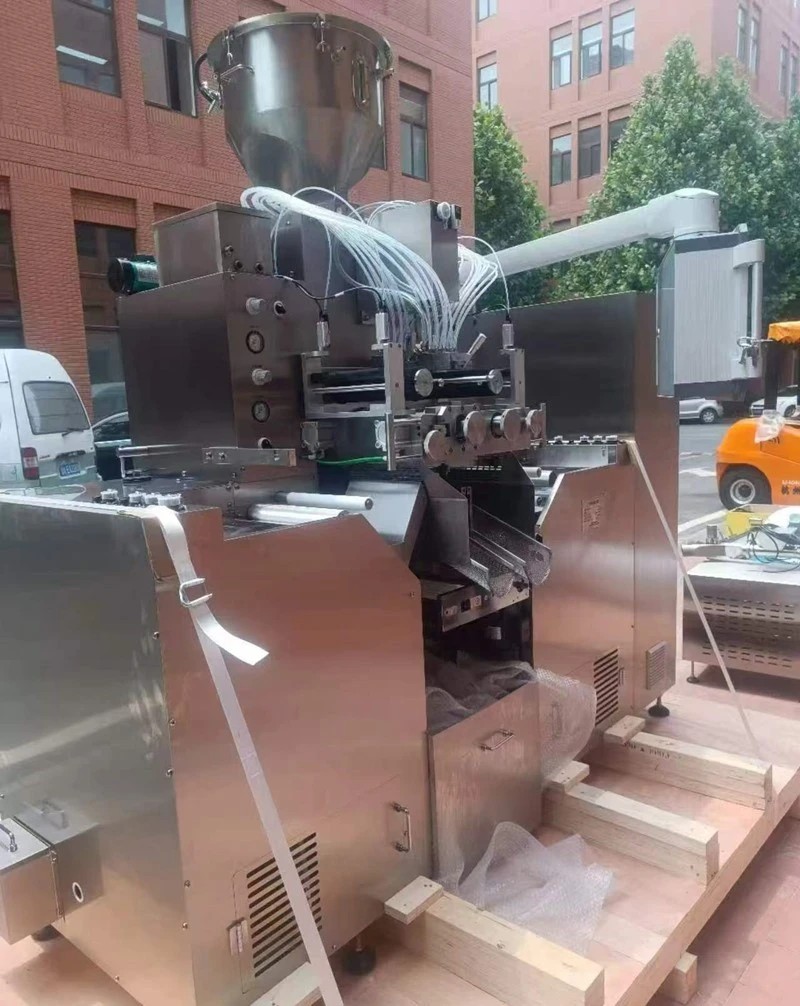
All equipment is professionally packaged and securely anchored in reinforced shipping crates designed for safe international ocean freight and air transport. The packaging methodology ensures equipment arrives in factory-new condition regardless of shipping route or destination, protecting precision components from damage during transit to facilities across North America, Europe, and Southeast Asia.
Remote Production Guidance
The built-in remote communication interface enables factory technical teams to provide remote production guidance, parameter optimization support, and diagnostic assistance without requiring on-site visits. This remote support capability reduces response time for technical questions and helps customers optimize production performance throughout the equipment lifecycle.
Frequently Asked Questions (FAQ)
1. What are the advantages of a mid-capacity servo machine versus a high-output industrial servo platform?
Mid-capacity servo softgel machines deliver the core benefits of servo technology-automatic alignment, digital adjustment, recipe storage, and improved process control-at a production volume appropriate for growing manufacturers and multi-product facilities. High-output industrial servo platforms double the capacity but require higher capital investment, greater facility infrastructure, and higher minimum batch sizes to operate efficiently. For pharmaceutical companies producing 50–150 million capsules annually, or contract manufacturers handling multiple smaller campaigns, a mid-capacity servo machine provides optimal return on investment while still delivering the quality and automation advantages of servo control.
2. What does CE Safety Level 3 mean for pharmaceutical facilities?
CE Safety Level 3 (Category 3) refers to the machinery safety architecture standard defined in EU machinery directives, requiring dual-channel safety circuits and fault tolerance for safety-related functions. For pharmaceutical manufacturing facilities, this means the electrical control system has redundant safety monitoring, multiple independent protection layers (overload, over-temperature, leakage, mechanical limits), and documented safety circuit design. This level of safety compliance is increasingly expected during GMP inspections and EU regulatory audits, as machinery safety is considered part of overall product quality assurance. It also reduces workplace safety risk for production personnel operating the equipment.
3. How does the impact-free fill pump protect sensitive formulations?
Conventional cam-driven fill pumps produce abrupt mechanical motion at the top and bottom of each stroke, creating shock and shear forces that can damage delicate active ingredients, break down suspended particles, or cause foaming in sensitive formulations. The impact-free fill pump uses servo-controlled motion profiling to create smooth acceleration and deceleration throughout the entire pump stroke, eliminating mechanical shock. This gentler pumping action preserves the integrity of shear-sensitive materials, biological actives, probiotic formulations, and suspensions with fragile particulate components, resulting in higher quality finished products with better retention of active ingredient properties.
4. Can existing tooling from my current mechanical machine be used with this servo model?
Yes, the machine uses the industry-standard 6" × 10" (150 mm × 250 mm) die roll format, which is compatible with tooling from most major softgel equipment manufacturers using this standard working width. This means facilities upgrading from mechanical encapsulators of the same die format can typically reuse their existing inventory of oval, oblong, and custom shape die tooling, reducing the capital cost of upgrading to servo technology. We recommend verification of specific tooling dimensions during the evaluation phase to confirm compatibility.
5. How does the fault self-diagnosis system reduce downtime?
The self-diagnostic system continuously monitors hundreds of sensor inputs and operating parameters across all machine systems. When an anomaly is detected, the system immediately identifies the specific fault condition, displays a descriptive error code on the HMI, and logs the event with timestamp information. Instead of spending hours troubleshooting to identify the root cause of a problem, maintenance personnel receive immediate diagnostic information pointing directly to the affected component or system. This reduces mean time to repair (MTTR) significantly, minimizes production downtime, and also supports preventive maintenance by identifying developing issues before they cause unplanned stops.
6. What capabilities does the remote communication interface provide?
The built-in remote interface enables secure connectivity between the machine's PLC system and our factory technical support team. With customer authorization, our engineers can remotely view real-time operating parameters, review fault history, adjust control parameters, and guide operators through troubleshooting procedures. This is particularly valuable for international customers where on-site service requires travel time and expense. Remote support can resolve the majority of adjustment and diagnostic questions without site visits, and when on-site service is needed, technicians arrive already informed about the specific issue, reducing on-site time required.
7. Is this machine suitable for both gelatin and plant-based starch softgels?
Yes, the servo-driven system supports both traditional animal-based gelatin formulations and plant-based starch capsule production without requiring mechanical component changes. The independent servo control of gelatin box parameters and ribbon thickness is actually advantageous for starch-based formulations, which often require more precise temperature and thickness control than standard gelatin. The recipe storage system allows operators to save proven parameter sets for each shell material type, enabling quick and reliable switching between gelatin and vegan product campaigns.
8. What validation documentation is available for pharmaceutical GMP facilities?
We provide comprehensive documentation packages to support pharmaceutical qualification activities. Standard deliverables include equipment functional specifications, design qualification documentation, material certificates for all product-contact components, electrical schematics with CE safety documentation, and factory acceptance test (FAT) protocols. Optional documentation supports Installation Qualification (IQ), Operational Qualification (OQ), and Performance Qualification (PQ) execution, including template protocols tailored to the specific machine configuration. The Siemens PLC's data logging and parameter audit capabilities also support ongoing data integrity compliance under pharmaceutical GMP requirements.
9. What is included in the on-site installation and training service?
The on-site service package includes mechanical installation supervision, electrical connection verification, full system commissioning with test production runs, and comprehensive operator training. The training program covers machine operation procedures, product changeover processes, parameter adjustment techniques, routine maintenance schedules, lubrication requirements, and basic fault diagnosis. Both production operators and maintenance personnel receive hands-on instruction until they demonstrate competent operation. The service engineer remains on-site until the machine is producing acceptable quality product and the customer team is confident in independent operation.
Key Selection Advantages
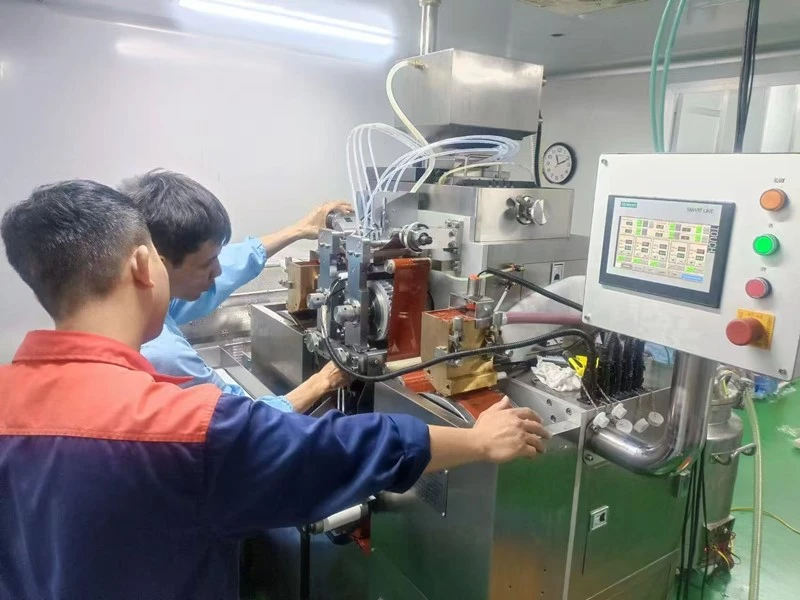
For pharmaceutical manufacturers, nutraceutical producers, and contract packaging organizations evaluating servo softgel technology at mid-range production volumes, this automatic servo softgel encapsulator delivers compelling advantages:
• Accessible servo automation - Full eight-axis servo control with automatic alignment and recipe management at mid-capacity investment level
• CE Safety Level 3 certification - Category 3 electrical safety architecture meets EU machinery requirements for pharmaceutical facilities
• Intelligent self-diagnostics - Fault code system reduces troubleshooting time and supports preventive maintenance programs
• Remote support capability - Built-in communication interface enables rapid global technical assistance
• Impact-free fill pumping - Gentle servo motion profiling protects shear-sensitive pharmaceutical and biological formulations
• GMP-compliant construction - Full machine design aligned with pharmaceutical manufacturing standards
• Standard tooling compatibility - Industry-standard 6" × 10" format works with existing tooling inventories
• Professional global service - On-site installation, commissioning, training, and ongoing remote support for international customers
For growing pharmaceutical and nutraceutical manufacturers ready to advance from mechanical encapsulation to servo-driven precision, or for facilities requiring reliable mid-volume production with advanced automation, this CE-certified servo softgel encapsulation machine delivers proven technology with comprehensive global support.
Our Factory


Hot Tags: 250-ii softgel servo encpasulation machine, China 250-ii softgel servo encpasulation machine manufacturers, suppliers