

High-Capacity Rolling-Mode Softgel Encapsulation Machine | 240K Mechanical Soft Gel Capsule Filling Equipment
Product Overview
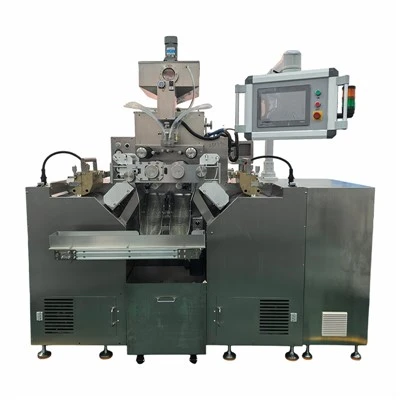
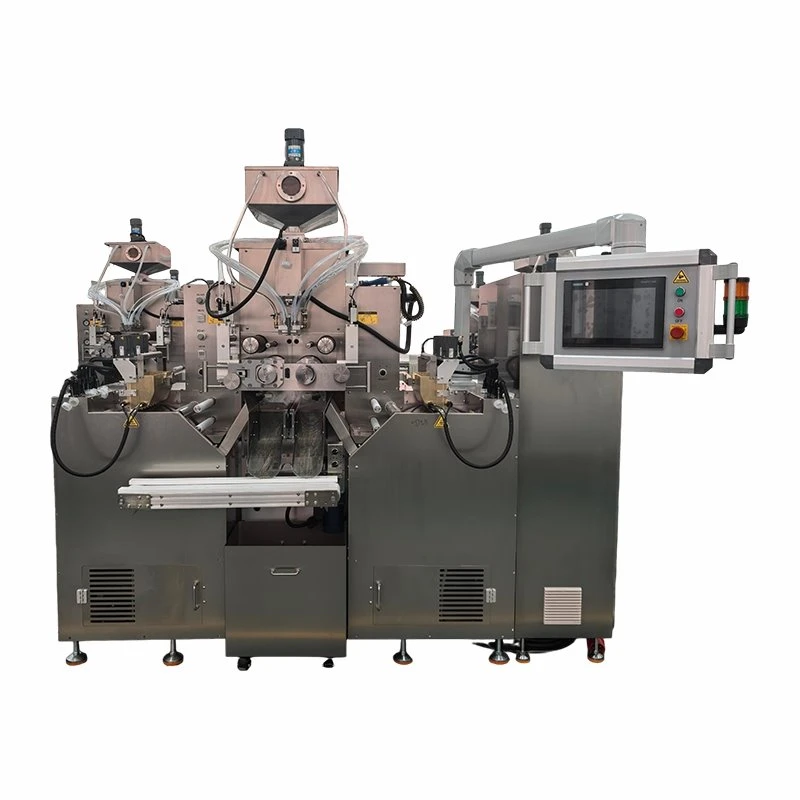
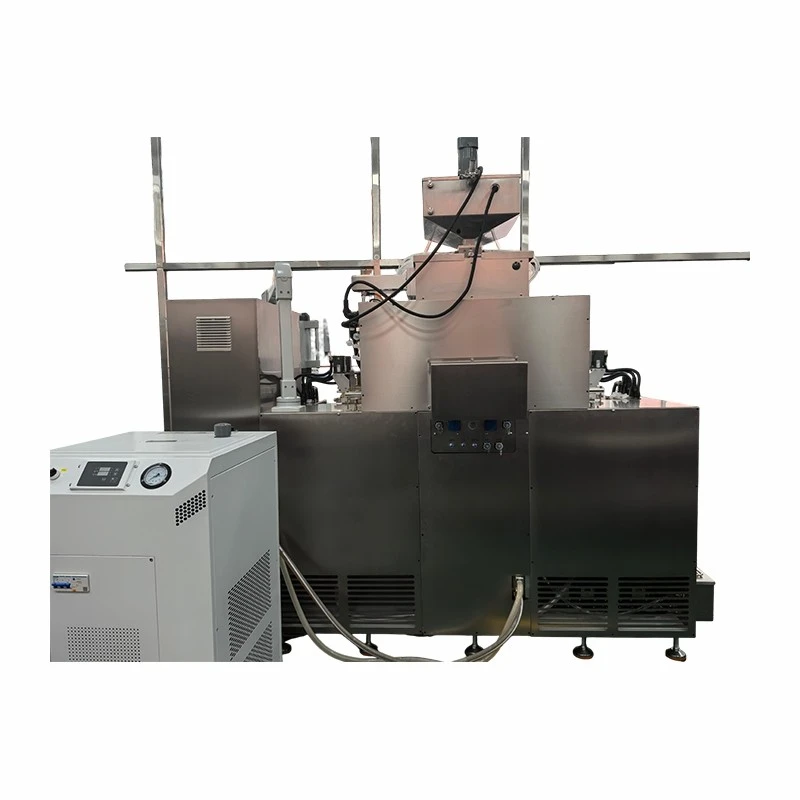
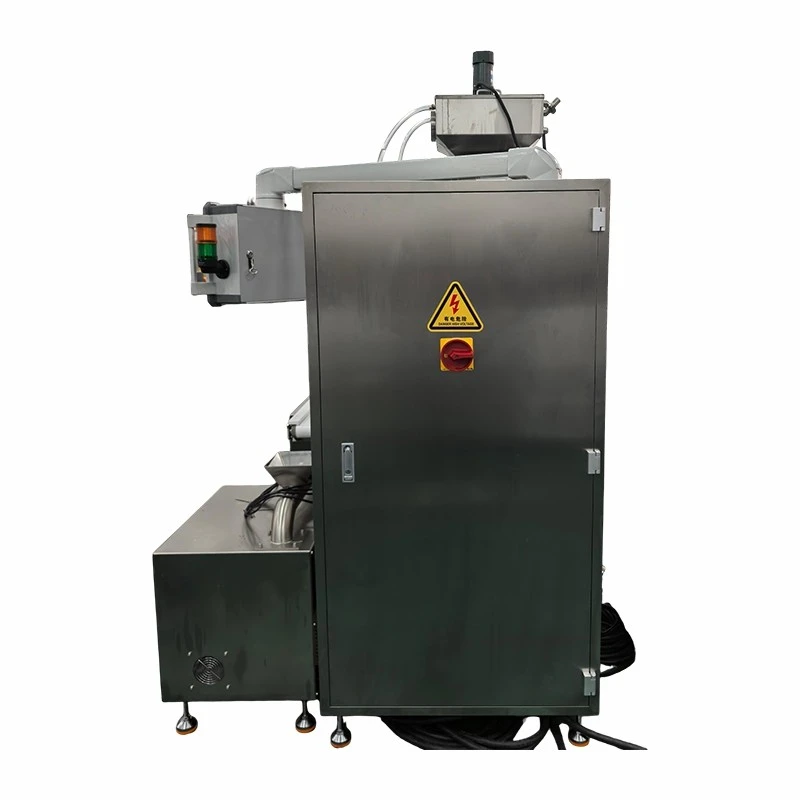
The Vitol VIT16 is a next-generation rolling-mode mechanical softgel encapsulation machine engineered for high-volume pharmaceutical and nutraceutical manufacturing. Equipped with patented spray body and feed system technology, this high-capacity soft capsule production equipment delivers twice the output of comparably sized conventional machines while maintaining proven mechanical reliability and stability. The platform also supports cost-effective performance upgrading for existing softgel production lines, enabling manufacturers to significantly boost throughput without full equipment replacement.
This 250-II Softgel Encapsulation machine combines proven rotary die encapsulation principles with innovative material delivery advancements to achieve production rates up to 241,920 capsules per hour for standard oval formulations. The mechanical drive architecture provides robust, dependable performance with well-understood maintenance requirements, making it an ideal choice for production facilities seeking maximum capacity at an accessible investment level. Pharmaceutical manufacturers across the United States, European Union, and Southeast Asia deploy this equipment class for commercial-scale production of both gelatin and starch-based softgel products.
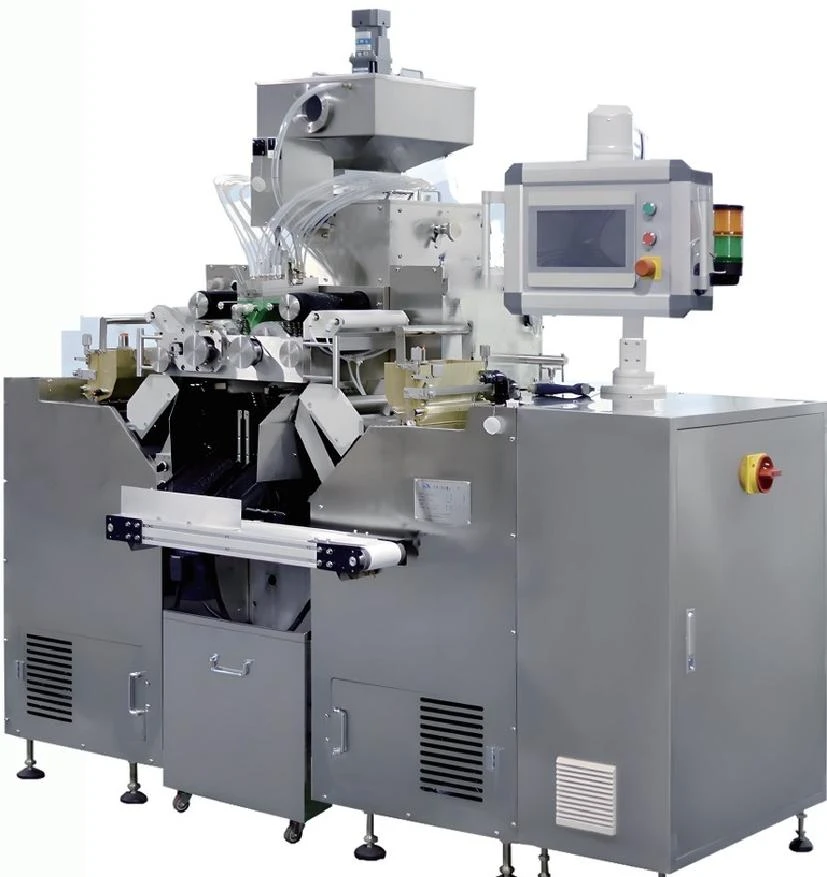
Designed for cGMP manufacturing environments, the system features pharmaceutical-grade stainless steel construction, modular sanitary design, and comprehensive process control capabilities. The intuitive operator interface, automated lubrication systems, and simplified maintenance access support reliable multi-shift production operation for growing pharmaceutical and health supplement manufacturing businesses.
Technical Specifications
|
Specification |
Technical Parameter |
|
Mold |
VIT16 |
|
Die Roll Rotational Speed |
1 – 10 rpm (variable speed control) |
|
Die Roll Working Dimensions |
Φ150 mm × 250 mm standard format |
|
Fill Weight Accuracy |
±1.5% at 1.5 mL nominal fill volume |
|
Plunger Configuration |
16 plungers per side (32 total fill stations) |
|
Theoretical Output – 8# Oval |
241,920 capsules/hour @ 8 rpm operating speed |
|
Theoretical Output – 20# Oblong |
110,880 capsules/hour @ 8 rpm operating speed |
|
Main Spindle Support |
Precision bearing assembly |
|
Gelatin Roller Cooling |
Integrated external chiller system |
|
Roller Lubrication System |
Four independent micro-metering lubrication pumps |
|
Fill Pump Lubrication |
Independent magnetic drive pump with external circulation |
|
Gelatin Roller Material |
Chrome-plated pharmaceutical-grade stainless steel |
|
Overall Machine Dimensions |
2,200 mm × 1,000 mm × 2,100 mm (L × W × H) |
|
Total Installed Power |
12 kW |
Patented Feed & Spray System Technology
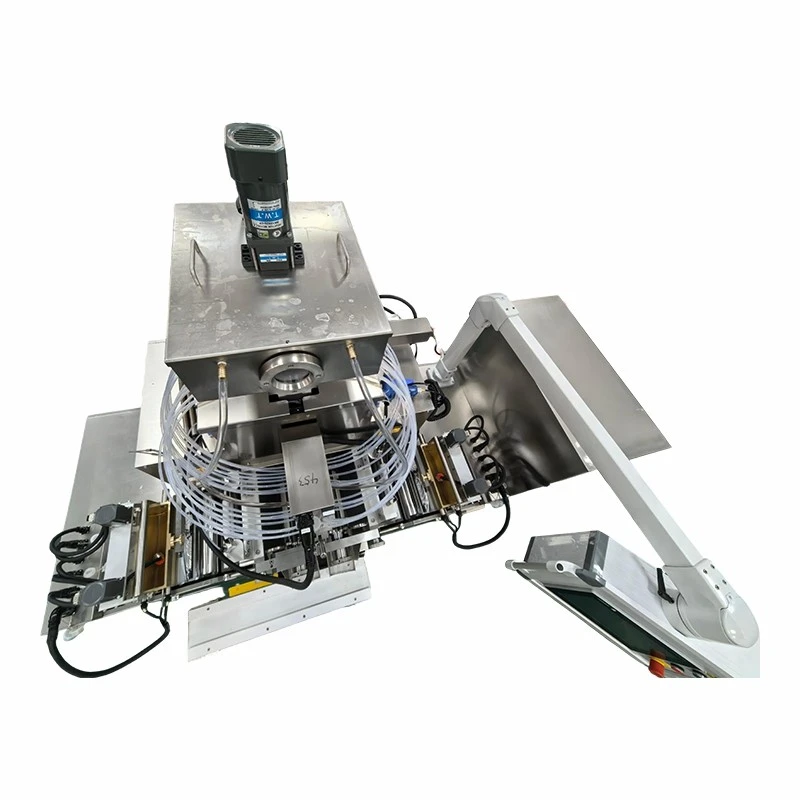
The defining performance advantage of this 250-II Softgel Encapsulation machine lies in its patented spray body and feed delivery system, which enables the machine to achieve double the production capacity of conventional equipment with equivalent die roll dimensions. This innovative material handling architecture optimizes fill material distribution across all 32 fill stations, ensuring consistent dosage delivery even at the maximum 10 rpm operating speed. The patented system represents a significant advancement in mechanical softgel encapsulator design, allowing manufacturers to achieve production throughput previously only available from wider-format machines while retaining the smaller footprint and tooling compatibility of the standard 250 mm working width platform.
For pharmaceutical and nutraceutical manufacturers operating existing production lines, this technology also enables performance upgrading of older softgel equipment. The feed system upgrade path provides a cost-effective pathway to substantially increase production capacity without requiring complete equipment replacement, minimizing capital expenditure and production downtime during the transition.
Precision Lubrication & Process Control
Digital Micro-Lubrication System
The high-output soft capsule machine incorporates four independent micro-lubrication pumps with digital online control and recipe memory functionality. This high-precision lubrication system delivers accurately metered lubricant volumes to each gelatin roller surface, with stored parameter sets for different formulations and production speeds. The digitally controlled micro-oil adjustment ensures uniform lubrication across the roller surface, eliminating the need for post-encapsulation capsule cleaning and shortening overall drying cycle time. This directly improves overall production efficiency and reduces downstream processing requirements.
Sensor-Based Gelatin Level Management
The gelatin supply system employs precision sensor technology for automatic liquid level control within the gelatin box, improving control reliability compared to mechanical float systems. The sensor-based level detection maintains consistent gelatin ribbon thickness throughout extended production runs, contributing to uniform capsule wall thickness and reduced product rejection rates. The automated level management also minimizes operator attention requirements during production shifts.
Integrated Chiller Cooling System
The gelatin roller cooling system uses an integrated external chiller control methodology designed for ease of cleaning, straightforward operation, and simplified maintenance. The spray heating system incorporates an advanced temperature control approach that delivers stable and precise thermal regulation of the gelatin ribbon formation zone. Accurate temperature control is critical for consistent gelatin film properties, directly influencing capsule sealing quality and overall production yield.
Mechanical Transmission Lubrication
The mechanical drive train lubrication is managed by a dedicated professional lubrication pump system that ensures consistent lubricant delivery to all critical transmission components. This centralized lubrication approach significantly extends trouble-free operating time and simplifies routine maintenance procedures. Proper transmission lubrication is essential for maintaining die registration accuracy and extending the service life of bearing and gear components in high-speed production environments.
Sanitary Design & Operational Efficiency
Modular Sanitary Construction
The human-centered modular structural design simplifies cleaning and maintenance procedures for production and sanitation personnel. All product-contact zones are designed for accessibility, with tool-less disassembly of key components supporting thorough cleaning validation protocols required for cGMP pharmaceutical manufacturing. The modular architecture also simplifies component replacement during scheduled maintenance activities, minimizing production downtime.
Lightweight Conveyor System
The integrated capsule conveyor features a compact, lightweight design that occupies minimal floor space while providing reliable transfer of freshly encapsulated softgels to downstream drying equipment. The conveyor is engineered for easy disassembly and thorough cleaning, an important consideration for multi-product manufacturing facilities requiring frequent product changeovers.
User-Friendly Operator Interface
The machine control interface features an intuitive, ergonomic design with a simple and straightforward visual layout that reduces operator learning time. The HMI provides clear access to all critical production parameters including speed settings, temperature readings, lubrication rates, and production counters. The straightforward interface design minimizes training requirements and reduces the potential for operator error during routine production operation.
High-Precision Die Control
Enhanced die roll control mechanisms produce higher-quality soft capsule products with consistent seam formation and uniform capsule dimensions. The precision die registration system maintains accurate alignment between upper and lower die rolls throughout the production speed range, ensuring consistent capsule weight and fill volume across the full production batch.
Capsule Format Versatility
This rolling-mode softgel encapsulation machine supports the complete range of standard softgel capsule shapes and sizes used in pharmaceutical and nutraceutical manufacturing, with custom tooling available for specialized applications.
Custom & Specialty Formats
Beyond standard oval and oblong configurations, the machine supports custom die tooling for specialty applications including pediatric dosage forms, veterinary pharmaceutical products, and branded consumer health products requiring unique shape differentiation.
Pharmaceutical Compliance & Manufacturing Suitability
This high-capacity soft gelatin capsule machine is engineered to support cGMP (current Good Manufacturing Practices) compliance for pharmaceutical production facilities operating under FDA, EMA, and ASEAN regulatory frameworks across North America, Europe, and Southeast Asia including Thailand, Indonesia, Vietnam, Malaysia, and the Philippines.
Materials of Construction
All product-contact surfaces are fabricated from pharmaceutical-grade stainless steel with chrome-plated rollers for durability and cleanability. Smooth, crevice-free surface finishes throughout the product path support effective cleaning and disinfection procedures required for multi-product manufacturing facilities and cleaning validation programs.
Process Documentation & Control
The PLC-based control system with touchscreen HMI enables comprehensive parameter management and supports batch record documentation requirements. Electronic parameter settings and recipe storage capability ensure reproducible process conditions across production batches, supporting consistent product quality and simplifying regulatory compliance activities.
Validation Support Documentation
Comprehensive equipment documentation packages are available to support Installation Qualification (IQ), Operational Qualification (OQ), and Performance Qualification (PQ) validation protocols required for pharmaceutical facility commissioning and regulatory inspections.
Industry Applications
Pharmaceutical Manufacturing
The high-capacity rolling-mode soft capsule machine supports commercial-scale production of pharmaceutical softgel formulations including lipid-based drug delivery systems, poorly soluble API formulations, and prescription oral dosage forms. The machine's consistent fill accuracy and process repeatability meet pharmaceutical dosage uniformity requirements for regulated products.
Nutraceutical & Health Supplement Production
For nutraceutical manufacturers, the high throughput capacity supports efficient production of omega-3 fish oil softgels, vitamin E capsules, multivitamin formulations, probiotic softgels, herbal extracts, and sports nutrition products. The system supports both traditional gelatin and plant-based starch softgel formulations, enabling manufacturers to serve both conventional and vegetarian product markets.
Contract Manufacturing & Private Label
Contract manufacturers and private label producers benefit from the machine's high production capacity, rapid changeover capability, and broad formulation compatibility. The ability to upgrade existing equipment also provides a cost-effective growth path for expanding contract manufacturing operations.
Frequently Asked Questions (FAQ)
1. How does this machine achieve double the capacity of similarly sized softgel equipment?
The doubled production capacity results from patented spray body and feed system technology that optimizes fill material distribution across all fill stations. Conventional softgel encapsulation machines with 250 mm die width typically operate at 4–5 rpm maximum speed due to material feeding limitations. This machine's advanced feed system enables reliable operation up to 10 rpm while maintaining fill accuracy, effectively doubling throughput without increasing the machine's physical footprint or requiring wider die tooling. This means manufacturers can achieve production rates previously requiring larger-format machines while retaining compatibility with existing 250 mm tooling inventories.
2. What is the difference between this mechanical model and servo-driven softgel machines?
Mechanical softgel encapsulation machines use a geared transmission system to synchronize all machine functions, providing proven reliability with well-understood maintenance requirements. Servo-driven machines replace mechanical transmissions with independent servo motors for each axis, enabling features like automatic die alignment and automatic thickness adjustment. This mechanical high-capacity model delivers equivalent production throughput (up to 241,920 capsules/hour) at a lower investment cost, making it ideal for manufacturers prioritizing maximum capacity per dollar invested. Servo models offer additional automation features that reduce setup time and changeover labor, which is more valuable for facilities running many different products.
3. Can existing older softgel machines be upgraded to this higher capacity?
Yes, the patented feed system technology is available as an upgrade package for compatible existing softgel production equipment. This upgrade path enables manufacturers to substantially increase production capacity without full machine replacement, significantly reducing capital expenditure and minimizing production downtime during implementation. The feasibility of upgrading depends on the specific make and model of the existing equipment; our engineering team can assess compatibility and provide detailed upgrade proposals based on your current equipment specifications.
4. What is the actual sustained production output in real manufacturing conditions?
The machine has a theoretical maximum output of 241,920 capsules per hour for size 8 Oval capsules at 8 rpm operating speed. In typical pharmaceutical and nutraceutical production environments, sustained output ranges from 70–85% of theoretical capacity, depending on formulation characteristics, operator efficiency, planned quality checks, and material change intervals. This translates to approximately 170,000–205,000 capsules per hour in real production conditions, which remains substantially higher than standard mechanical machines of equivalent die width.
5. Is this equipment suitable for cGMP pharmaceutical manufacturing?
Yes, this high-capacity rolling-mode softgel machine is designed with cGMP-compliant construction principles including pharmaceutical-grade stainless steel product-contact surfaces, sanitary design with smooth crevice-free finishes, and modular construction for cleanability. The PLC control system supports batch parameter documentation and recipe management. Comprehensive documentation packages are available to support IQ/OQ/PQ validation activities required for pharmaceutical facility qualification. The equipment is suitable for production facilities operating under FDA, EMA, or ASEAN GMP regulatory frameworks with appropriate site-specific qualification procedures and SOP development.
6. What maintenance is required and what is the expected uptime?
The mechanical drive system has well-established maintenance requirements including periodic lubrication checks, seal inspections, and bearing monitoring. The dedicated professional lubrication pump system for the transmission extends trouble-free operating intervals significantly compared to manually lubricated machines. Routine preventive maintenance is typically scheduled on a monthly or quarterly basis depending on operating hours. With proper preventive maintenance programs, these machines demonstrate high production uptime and reliable multi-shift operation capability, making them suitable for facilities running two or three production shifts daily.
7. Can this machine produce both gelatin and vegetarian starch softgels?
Yes, the machine supports both traditional animal-based gelatin formulations and plant-based starch softgel production without requiring mechanical component changes or die reconfiguration. This dual-material capability allows manufacturers to produce both conventional and vegetarian softgel product lines on a single production platform, maximizing equipment utilization and reducing capital requirements for facilities serving both market segments. Process parameters for different shell materials are stored as recipes in the control system for quick recall during product changeovers.
8. What facility utilities and space are required?
The machine has overall dimensions of 2,200 mm × 1,000 mm × 2,100 mm (length × width × height) and requires 12 kW of installed electrical power. The system also requires connection to an external recirculating chiller for gelatin roller temperature control. Standard compressed air supply is required for pneumatic control functions. For cleanroom installation, the machine's enclosed frame design and smooth exterior surfaces facilitate integration into Class D or equivalent cleanroom environments. Detailed facility requirement specifications including utility connections, floor loading, and clearance requirements are provided during quotation.
9. How does the digital micro-lubrication system improve product quality?
The four independent micro-lubrication pumps deliver precisely controlled lubricant volumes to each gelatin roller surface, ensuring uniform oil film distribution across the entire roller width. Excessive lubrication causes oil carryover onto capsules, requiring additional cleaning steps and potentially affecting capsule surface quality. Insufficient lubrication causes capsule sticking and die release problems. The digital control system with recipe memory ensures consistent, optimal lubrication for each formulation, eliminating the need for post-encapsulation capsule washing and reducing drying time because excess lubricant does not need to evaporate. This improves both product quality and overall production line efficiency.
10. What types of fill materials can be processed on this machine?
The machine is compatible with a broad range of liquid and semi-solid fill materials appropriate for rotary die encapsulation, including pure oils, oil-based suspensions, lipid formulations, vitamin concentrates, herbal extracts, fish oil, self-emulsifying drug delivery systems (SEDDS), and traditional Chinese medicine active compounds. The system handles fill materials with viscosities within the standard range for softgel encapsulation processes. For novel formulations or materials with unusual properties, we recommend laboratory-scale trial runs to confirm optimal machine settings and production feasibility before committing to full-scale production equipment.
Key Competitive Advantages
For pharmaceutical and nutraceutical manufacturers seeking maximum production capacity with proven mechanical reliability, this high-capacity rolling-mode softgel encapsulation machine delivers several distinct benefits:
- Double the throughput per footprint - Patented feed system technology delivers 241,920 capsules/hour from a standard 250 mm machine format
- Proven mechanical reliability - Geared transmission architecture with professional lubrication system provides dependable multi-shift performance
- Upgrade path for existing equipment - Patented technology can be retrofitted to compatible older machines for cost-effective capacity expansion
- Four-channel digital lubrication - Independent micro-metering pumps with recipe memory ensure consistent lubrication and eliminate post-encapsulation cleaning
- cGMP-ready sanitary design - Stainless steel construction with modular disassembly supports cleaning validation and regulatory compliance
- Accessible investment level - High production capacity at a lower cost point than servo-driven alternatives
- Standard tooling compatibility - Industry-standard 250 mm die format works with existing tooling inventories
Our Factory


Hot Tags: 250-ii softgel encapsulation machine, China 250-ii softgel encapsulation machine manufacturers, suppliers