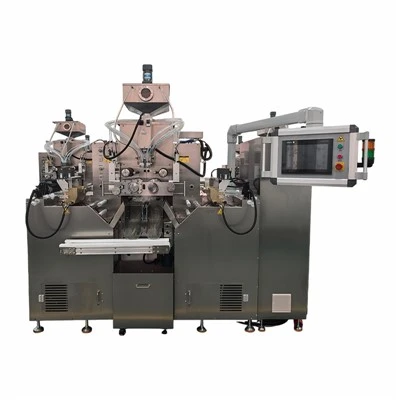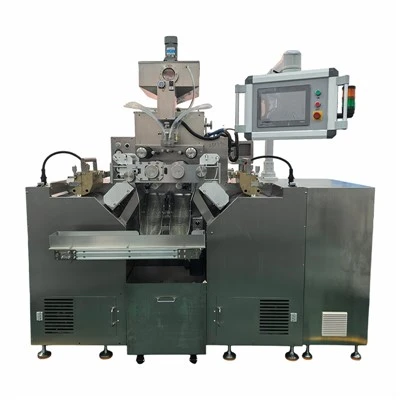


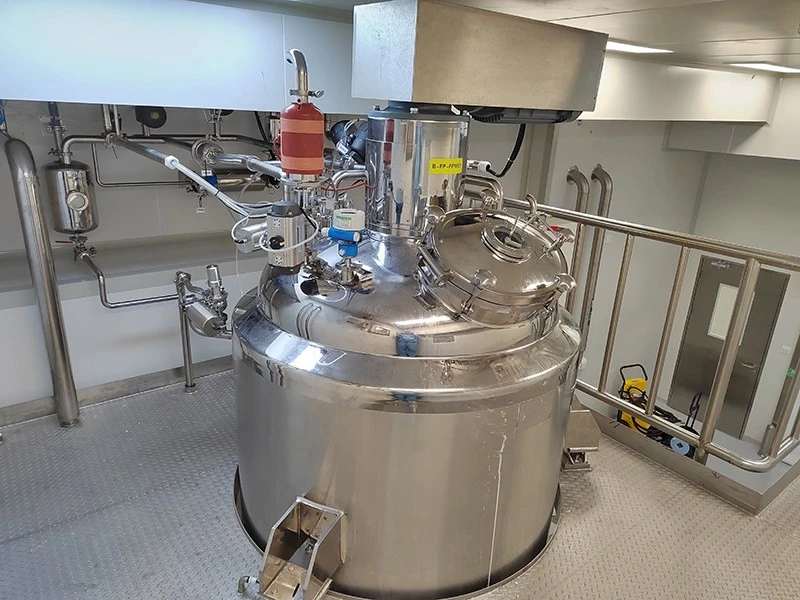
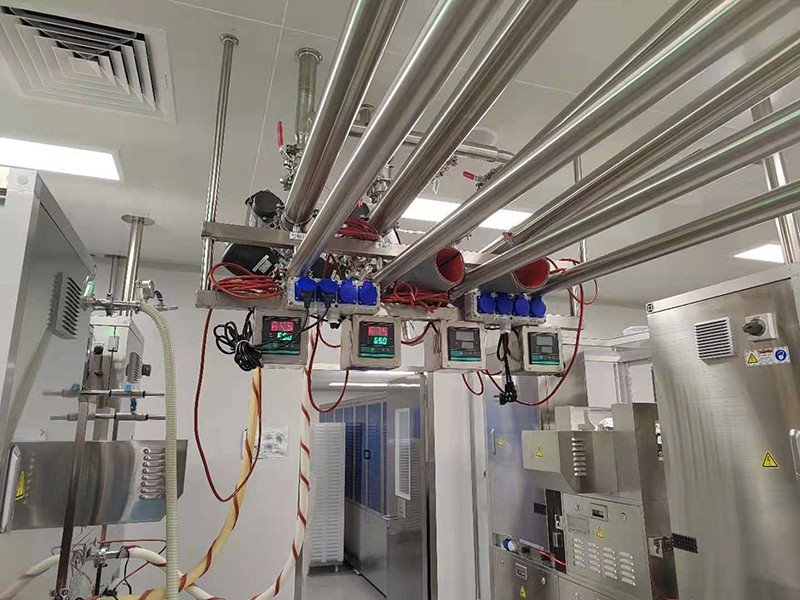
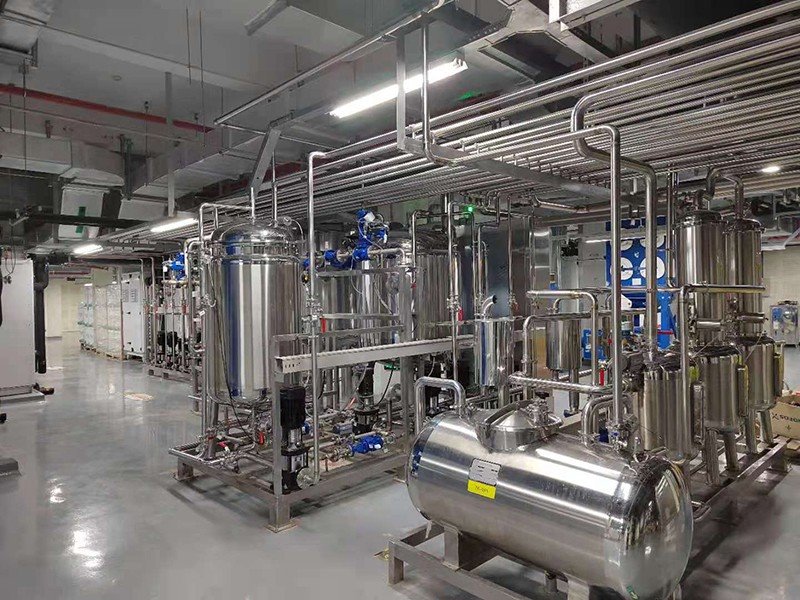
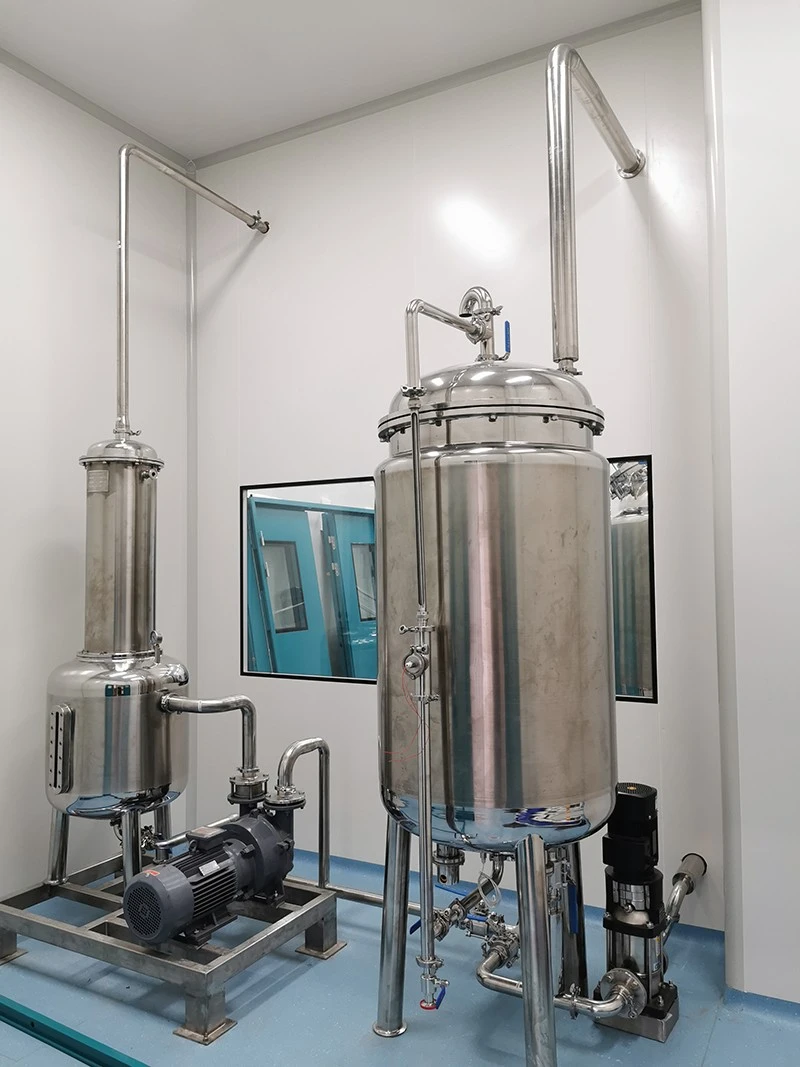
Gelatin Melting Mixing Tank
Product Overview
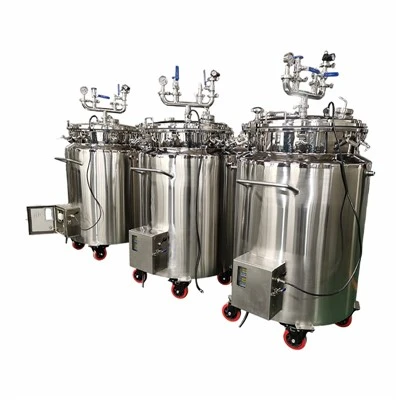
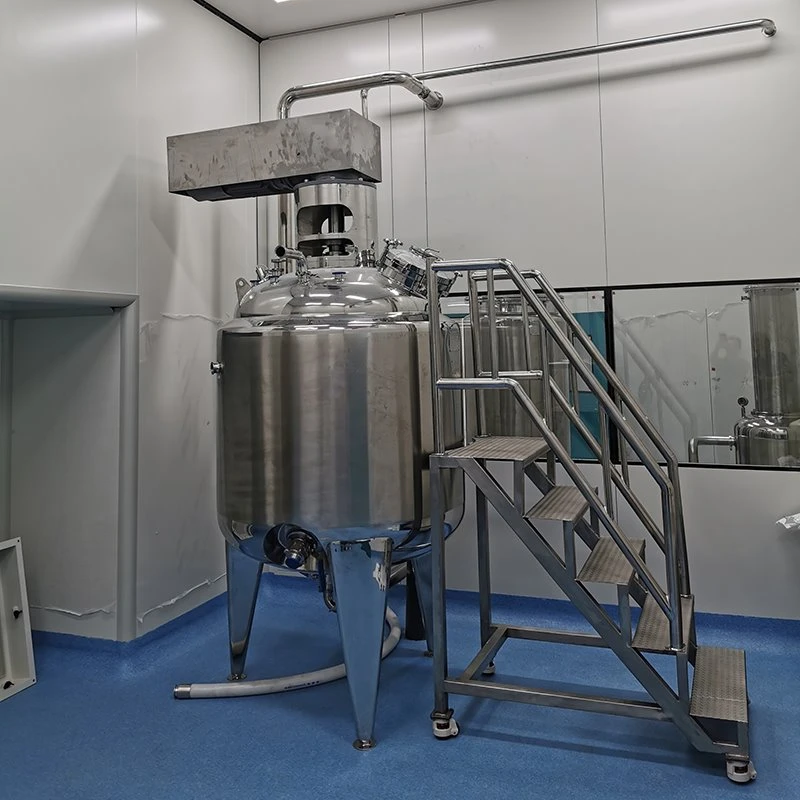
Our Gelatin Melting Mixing Tank is a precision-engineered solution designed for the preparation of softgel shell formulations - both traditional gelatin and modern plant-based (vegetarian) shell materials.
The tank is available in both manual control and PLC automatic configurations, allowing manufacturers to select the operational mode that matches their production scale, regulatory requirements, and operator expertise. All product-contact surfaces are constructed from pharmaceutical-grade SS316L stainless steel with electropolished internal finishes (Ra ≤ 0.8 μm), ensuring cleanability and compliance with cGMP guidelines.
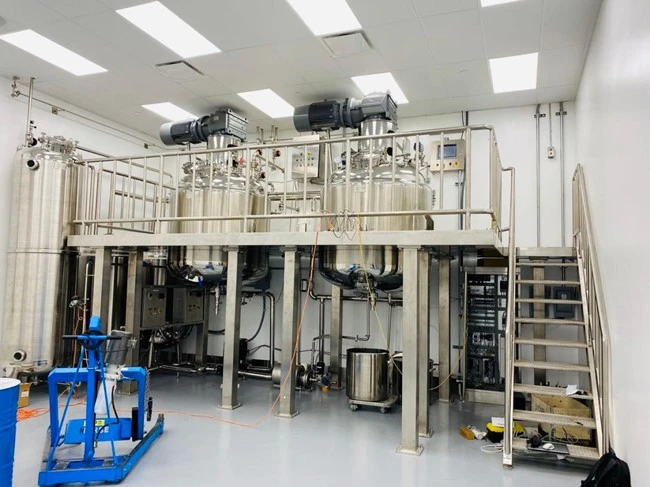
Core Technological Advantages
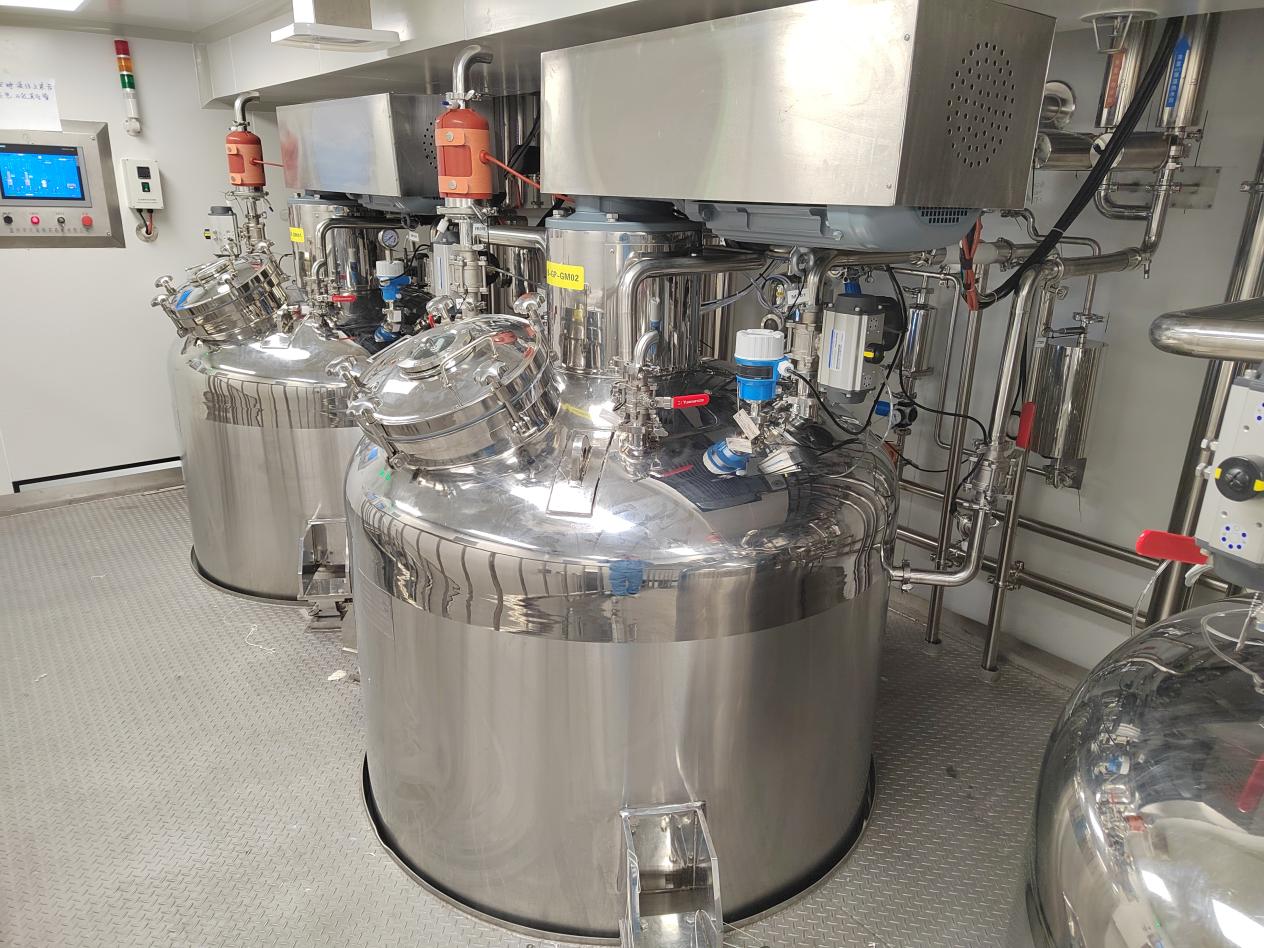
Dual-Mode Operation System
Manual Mode: Equipped with vacuum gauges, manual valves, and adjustable speed controls - ideal for small-batch R&D facilities, formulation laboratories, and production lines where experienced operators prefer direct tactile control over each process parameter.
Automatic Mode: Powered by an industrial PLC with a 10" color HMI touchscreen. Supports recipe storage (up to 100+ formulations), automated temperature ramp profiles,automated de-foaming, timed mixing cycles, vacuum level programming, and real-time data logging with 21 CFR Part 11 compliant audit trails for regulated production environments.
Dual-Formulation Compatibility
One Gelatin Melting Mixing tank, two shell material families - engineered to handle the distinct thermal and rheological properties of both gelatin and plant-based shell systems.
|
Shell Material Type |
Optimal Melting Range |
Key Process Consideration |
|
Gelatin (Bovine / Porcine) |
60 – 75 °C |
Heat-sensitive; requires gentle uniform heating to prevent molecular degradation and viscosity loss |
|
Modified Starch (Pea / Corn) |
95 – 110 °C |
Higher gelatinization temperature; requires extended high-shear mixing to fully hydrate amylose chains |
|
Carrageenan (Seaweed-based) |
65 – 75 °C |
Requires specific shear profile to prevent gel network premature formation during cooling |
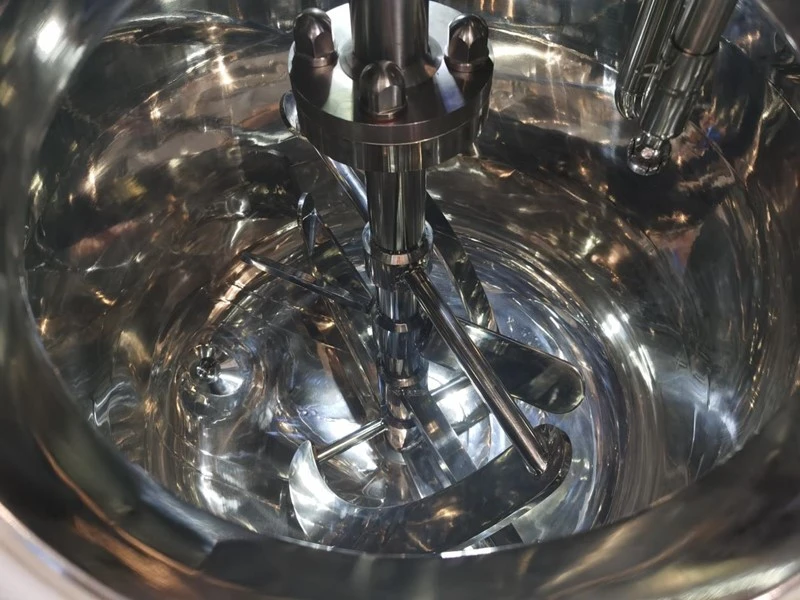
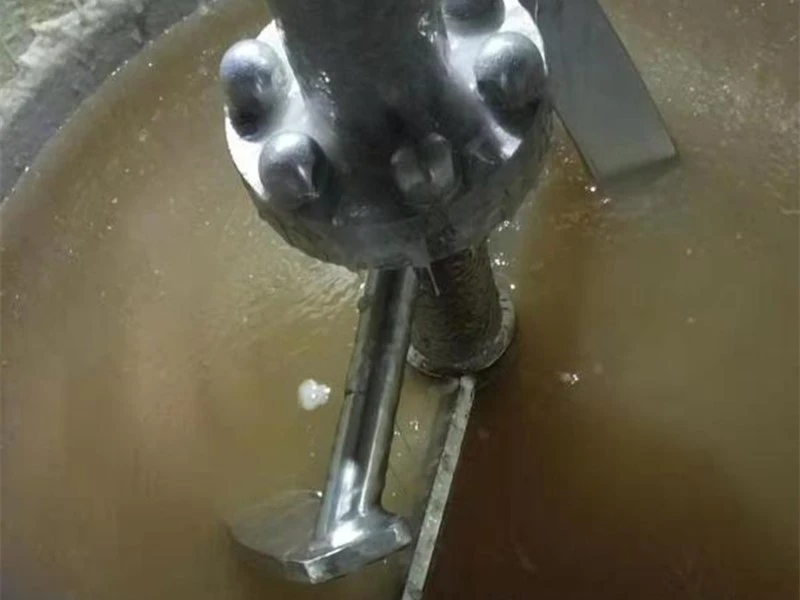
Three-Layer Jacketed Precision Temperature Control
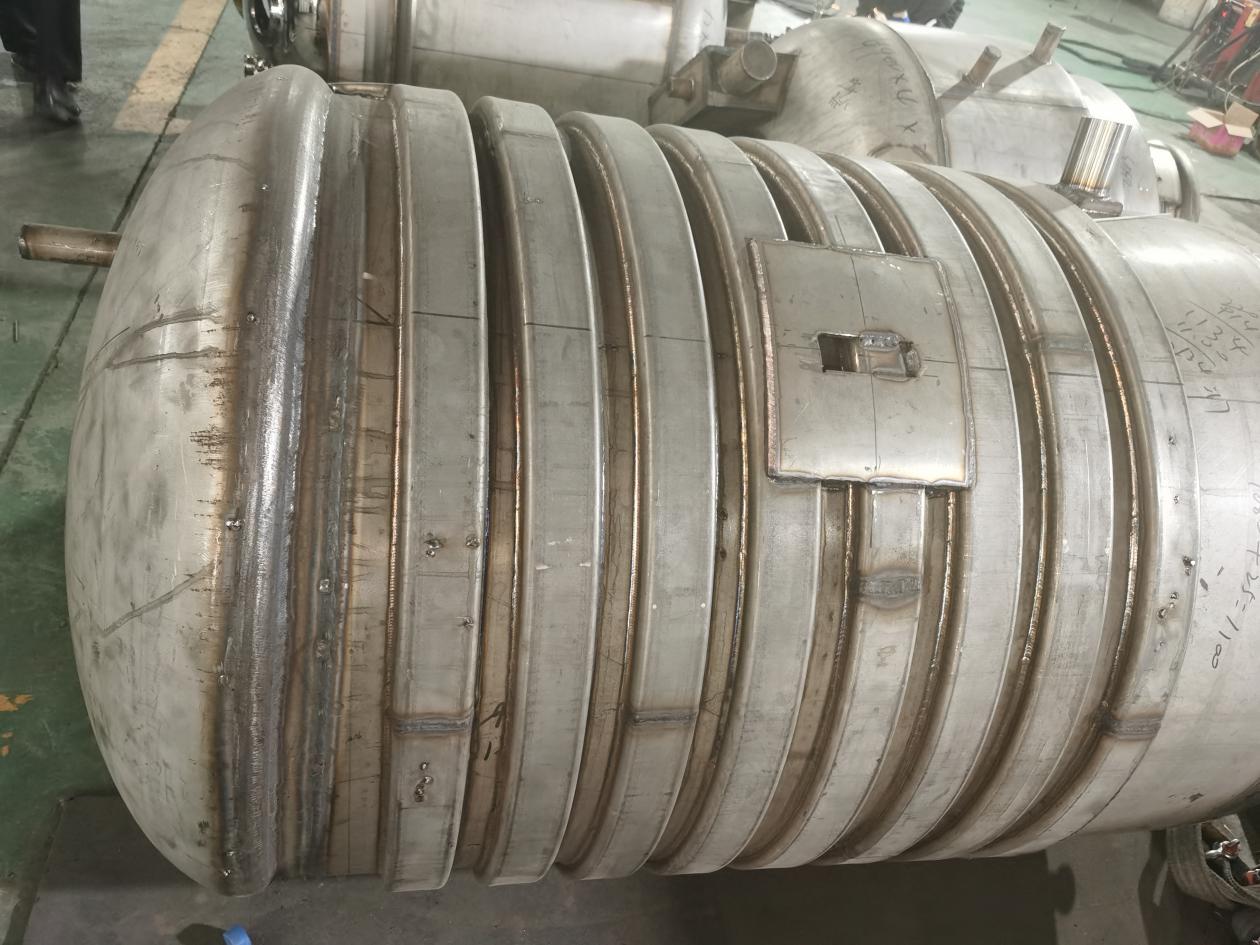
The vessel features a triple-wall construction:
• Inner product chamber: SS316L, electropolished - direct contact with shell formulation
• Middle jacket layer: Circulating hot water / steam heating medium - uniform heat transfer across entire vessel surface, eliminating hotspots
• Outer insulation layer: Mineral wool insulation with SS304 outer cladding - energy efficiency, safe cool-touch exterior, and stable ambient temperature in the production room
Temperature control accuracy reaches ±0.5 °C across the full working range (ambient to 100 °C), critical for maintaining consistent shell viscosity batch after batch.
Common Production Pain Points & Solutions
|
Production Challenge |
Our Engineering Solution |
Result |
|
Micro air bubbles in gelatin film causing pinholes, weak seals, and capsule rejection |
Integrated vacuum deaeration system (-0.08 to -0.095 MPa) with slow-speed stirring during degassing cycle |
Bubble-free shell mass; encapsulation yield increased by 3–8% |
|
Uneven heating / hotspots causing localized gelatin degradation and viscosity inconsistency |
Jacket Baffle Design+ multi-layer distributive impeller design + bottom-scraping anchor agitator |
±2% viscosity consistency across batch; no thermal degradation at vessel walls |
|
Plant-based starch formulations requiring higher temperatures and stronger shear than standard tanks provide |
Extended temperature range to 95 °C; Spiral agitator, |
Full starch gelatinization without lumps; |
|
Cross-contamination risk when switching between gelatin and vegetarian formulations |
CIP (Clean-in-Place) compatible design; spray ball coverage; no dead-leg internal geometry; tool-free seal disassembly |
Rapid product changeover; validated cleaning protocols available |
|
Batch-to-batch inconsistency due to manual operation variability |
PLC recipe management with locked parameters; electronic batch records; automated step sequencing |
Consistent shell quality 24/7; reduced operator dependency |
Technical Specifications
Standard Model Range
|
Parameter |
VT-100 |
VT-200 |
VT-300 |
VT-600 |
VT-800 |
|
Total Volume (L) |
100 |
200 |
450 |
760 |
950 |
|
Working Volume (L) |
60 |
130 |
300 |
600 |
800 |
|
Heating Method |
Electric heating / Steam heating (optional) |
||||
|
Temperature Range |
Ambient – 100 °C (±0.5 °C accuracy) |
||||
|
Vacuum Degree |
-0.08 ~ -0.095 MPa |
||||
|
Stirring Speed |
10 – 60 RPM (variable frequency drive) |
||||
|
Mixing Power (kW) |
3 |
3 |
4 |
7.5 |
7.5 |
|
Material (Product Contact) |
SS316L (electropolished Ra ≤ 0.8μm) |
||||
|
Control Mode |
Manual /PLC |
||||
Standard Configuration
• Three-layer stainless steel vessel (SS316L inner / SS304 jacket / SS304 outer shell)
• Multi-layer distributive mixing impeller with anchor wall-scraper (PTFE scrapers)
• Sanitary top-mounted manhole with quick-release clamp
• Digital temperature indicator and vacuum gauge
• Pressure safety relief valve
• Bottom discharge valve (sanitary diaphragm or ball valve)
• Liquid level sight glass with light
• Insulation layer with polished stainless steel outer cladding
Optional Upgrades-PLC Control
• PLC + 10" HMI touchscreen control system with recipe management
• 21 CFR Part 11 compliant electronic batch records and audit trail
• CIP spray ball system with rotating cleaning nozzles
• SIP (Steam-in-Place) capability
• Weighing module (load cells) for gravimetric batching
• Automatic water / glycerin dosing system
• Transfer pump with heated transfer line
• Filtration module (100–200 mesh inline filter)
Sizing & Selection Guide
Select the appropriate Gelatin Melting Mixing tank capacity based on your softgel encapsulation output and production scheduling:
|
Softgel Machine Size |
Typical Output (capsules/hr) |
Recommended Gelatin Melting Tank |
Batch Frequency |
|
Lab / Pilot Scale |
3,000 – 10,000 |
100L |
1–2 batches per shift |
|
Small Production (6" die roller) |
15,000 – 30,000 |
200L |
2 batches per shift |
|
Medium Production (8" die roller) |
30,000 – 60,000 |
300 ~ 500L |
2–3 batches per shift |
|
Large Production (10"+ die roller) |
60,000 – 120,000+ |
800 ~ 1500L |
Continuous feed with dual-tank rotation |
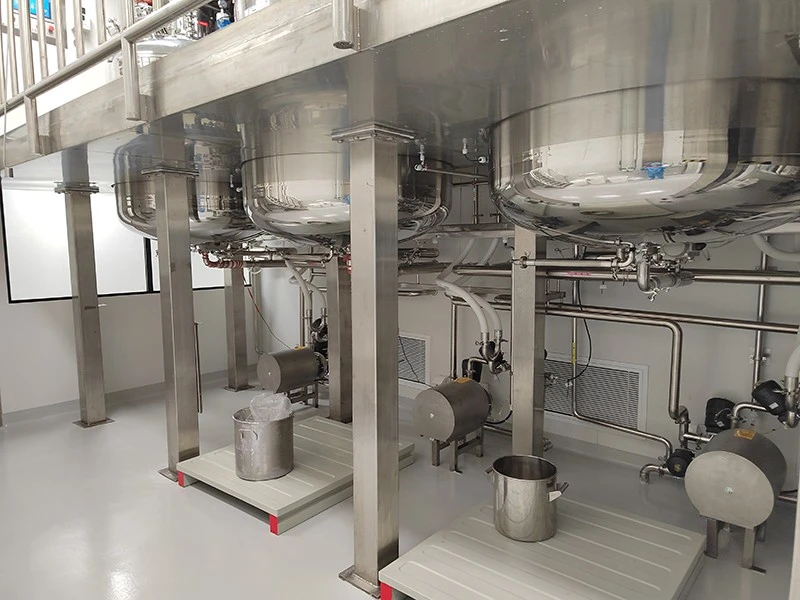
Layout Flexibility: Our engineering team provides 3D layout planning to ensure the tank system fits your existing cleanroom footprint, ceiling height, and material flow path. Custom vessel dimensions, discharge heights, and platform configurations are available upon request.
Regulatory Compliance & Certification
Our equipment is engineered to support global pharmaceutical manufacturing standards:
FDA 21 CFR Part 211
Equipment design, construction, and surfaces meet cGMP requirements for pharmaceutical manufacturing
EU GMP (EudraLex Volume 4)
Cleanable design, no dead legs, drainable construction, and material traceability documentation
21 CFR Part 11 Ready
Intelligent models support electronic records and signatures for regulated environments
Material Certification
SS316L material test reports (MTR) available for all product-contact surfaces
Validation Documentation
IQ/OQ/PQ documentation packages available to support site qualification
CE Marking
Available for EU market delivery
Customization & Engineering Support
Every production facility is unique. We offer comprehensive customization services:
Capacity Customization
From 50L laboratory units to 10000L production-scale systems.
01
Layout Integration
Custom vessel height, discharge position, and platform design to match your cleanroom layout and existing encapsulation line feed points.
02
Process Integration
Seamless connection to your softgel encapsulation machine via heated transfer lines and automated feed control.
03
Turnkey Solutions
Complete gelatin preparation rooms including water treatment, glycerin dosing, CIP systems, and SIP systems.
04
Formula Development Support
Technical consultation for both gelatin and plant-based shell formulation optimization.
05
Our Factory


Hot Tags: gelatin melting mixing tank, China gelatin melting mixing tank manufacturers, suppliers