

Before Starting a Softgel Encapsulation Machine: 10 Essential Pre-Operation Checks
A successful production run doesn't start when the machine is switched on. It starts with proper preparation.
For pharmaceutical and nutraceutical manufacturers, insufficient pre-operation checks can lead to unexpected downtime, unstable operation, production interruptions, and unnecessary material waste.
Think about it: nobody wants to stop production because of a loose connection, an unprepared gelatin system, or a drying area that wasn't cleaned before the first batch arrived.
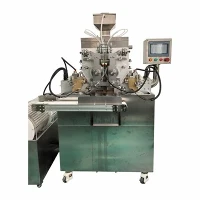
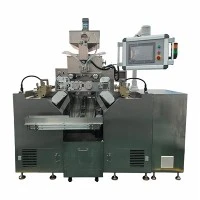
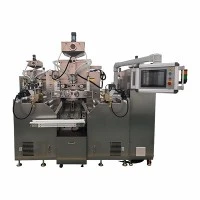
Before starting a softgel encapsulation machine, production teams should pay attention to these 10 key areas. Whether your production line uses standalone drying baskets, pre-drying equipment, or a continuous drying system, proper preparation is essential.
1. Personnel & Production Environment
Before touching the machine, make sure the people operating it and the surrounding environment are ready.
Confirm that operators are properly trained and familiar with the machine's operating procedures. Personnel should wear appropriate protective clothing and follow the required hygiene practices.
The production area should meet the established cleanliness standards. Check that floors, work surfaces, and surrounding areas are clean and free from unnecessary materials.
A well-prepared production environment helps reduce contamination risks and supports consistent manufacturing conditions.
2. Machine Appearance, Mechanical Structure & Safety Devices
A quick visual inspection can prevent problems that are much more complicated to solve during production.
Check the overall machine condition, including the frame, mechanical connections, fasteners, moving components, and transmission mechanisms.
Inspect protective covers, safety guards, and emergency stop devices to ensure they are correctly installed and functioning as required.
Also look for visible signs of damage, abnormal wear, loose components, or leakage.
Remember, a machine that looks ready doesn't necessarily mean every component is ready to work.

3. Electrical, Compressed Air & Cooling Systems
The electrical, pneumatic, and cooling systems provide essential operating conditions for the encapsulation process.
Before starting, verify that the power supply meets the machine's specified requirements and check electrical connections for visible damage or abnormal conditions.
For the compressed air system, confirm that the air supply is available, the pressure meets the specified requirements, and pipes and connections are properly connected without leakage.
For the cooling system, check the cooling water supply or other specified cooling media, inspect relevant pipelines, and confirm that the system is ready for operation.
Always refer to the equipment specifications for the required operating conditions.
4. Lubrication System
Moving components need proper lubrication to reduce friction and minimize mechanical wear.
Before operation, check the lubrication points, oil levels, and condition of the lubricating oil where applicable.
Inspect lubrication pipes and connections, and confirm that the lubrication system is functioning properly.
If the machine is equipped with an automatic lubrication system, verify that it is operating as required.
Don't assume that everything is fine just because the machine worked perfectly yesterday. Lubrication checks are a small task that can help prevent bigger maintenance problems.
5. Rubber Rolls, Gelatin Boxes & Gelatin Film System
The gelatin film system plays a critical role in softgel encapsulation. Its condition directly affects film formation and the subsequent encapsulation process.
Inspect the rubber rolls for visible damage, contamination, or abnormal wear, and confirm that they are properly installed.
Check the gelatin boxes and related film-forming components to ensure they are clean, correctly installed, and ready for operation.
The gelatin film feeding and guiding system should also be inspected. Confirm that the film path is correctly arranged and that all relevant components are properly positioned.
Proper preparation of the gelatin film system helps establish stable film formation during production.


6. Material Feeding System & Fill Material Preparation
The fill material is just as important as the gelatin shell. Even a well-adjusted machine cannot compensate for improperly prepared material.
Check that the fill material has been prepared according to the approved formulation and production procedure.
Confirm that its condition meets the required production requirements and that the feeding system is clean, correctly installed, and ready for operation.
Inspect relevant pipelines, connections, and feeding components. Make sure the material supply is sufficient for the planned production run.
For liquid and suspension-based formulations, material preparation and feeding conditions should be appropriate for the specific product and process.

7. Heating System & Temperature Control
Temperature control is essential for maintaining suitable operating conditions during softgel encapsulation.
Before production, verify the heating system, temperature settings, and temperature control functions.
Check the relevant heating components, connections, and temperature displays. Confirm that the required operating temperatures have been reached and stabilized according to the machine's operating procedure.
A temperature setting on the control panel does not automatically mean the actual operating conditions are ready. Give the system enough time to reach the required conditions.
8. Die Rolls, Injection Wedge & Related Components
Die rolls and the injection wedge are key components involved in forming and filling softgel capsules.
Before starting, inspect the die rolls for cleanliness, surface condition, and correct installation.
Check the injection wedge and associated components to ensure proper positioning, alignment, and cleanliness.
Confirm that all relevant connections are secure and that components have been installed and adjusted according to the equipment operating instructions.
Proper installation and inspection help support stable capsule formation and filling during operation.

9. Drying System & Drying Area Preparation
The encapsulation process doesn't end when capsules leave the machine. Drying is another important stage, and the drying area should be ready before production begins.
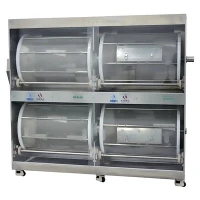
Depending on the production configuration, a softgel production line may use pre-drying baskets, continuous drying equipment, or a combination of drying stages.
Before starting, pay attention to the following:
Drying Equipment Readiness
Check that drying baskets, containers, and related accessories are clean and ready for use.
Inspect the drying equipment and confirm that it is properly installed.
Check rotating, conveying, or capsule transfer components for proper operation.
Verify that the air supply and ventilation systems are functioning correctly.
Make sure filters, air ducts, and air outlets are clean and unobstructed.
Drying Area Cleanliness
Check that the drying room and surrounding production areas have been cleaned.
Ensure that drying baskets, equipment surfaces, and relevant contact areas are free from residues and unwanted materials.
Confirm that floors and work surfaces are clean.
Remove unnecessary items from the drying area.
Make sure air inlets and outlets are not blocked.
Temperature, Humidity & Airflow Conditions
Check the ambient temperature in the drying area.
Verify that relative humidity meets the established process requirements.
Confirm that air circulation and airflow are sufficient.
Inspect ventilation and air exchange conditions.
Check temperature and humidity control systems, where equipped.
Proper airflow is particularly important for effective drying. Air should circulate adequately throughout the drying area rather than leaving certain sections with insufficient ventilation.
Keep in mind that drying parameters vary depending on gelatin formulation, capsule characteristics, production conditions, and equipment configuration. Temperature, humidity, airflow, and drying time should follow the established process requirements rather than one universal setting.
Whether you use pre-drying baskets or a continuous drying system, the goal is the same: make sure the drying equipment and environment are ready before the capsules arrive.
After all, the last thing you want is a perfectly prepared encapsulation machine waiting for an unprepared drying room.

10. Control System & Start-up Conditions
Before starting the machine, check the control panel, operating parameters, alarms, and safety interlocks.
Confirm that the control system is functioning properly and that all required production parameters have been set according to the approved process requirements.
Check the display for abnormal messages or unresolved alarms. Verify that all required safety conditions are satisfied.
Do not ignore warning messages or bypass safety interlocks simply to save a few minutes.
Once all checks have been completed, proceed with the start-up procedure according to the machine's operating manual and the manufacturer's instructions.
A Good Start-up Routine Is Part of Effective Production Management
Pre-operation inspection is more than a routine task. It is an important part of maintaining stable production conditions and managing equipment effectively.
From personnel preparation and mechanical inspection to gelatin film readiness, fill material preparation, and drying environment conditions, every detail contributes to the overall softgel manufacturing process.
A systematic pre-start inspection can help manufacturers:
Reduce unexpected equipment downtime.
Identify potential problems before production.
Maintain stable operating conditions.
Minimize unnecessary material waste.
Improve coordination between encapsulation and drying processes.
The exact inspection items may vary depending on the machine model and production configuration. Always follow the equipment manufacturer's operating manual, approved SOPs, and applicable GMP requirements.
Frequently Asked Questions
1. Why are pre-operation checks important for a softgel encapsulation machine?
They help identify potential mechanical, electrical, and process-related problems before production begins, reducing unexpected downtime and supporting stable operation.
2. Should the drying system be checked before starting the encapsulation machine?
Yes. Whether the production line uses pre-drying baskets, continuous drying equipment, or both, the drying equipment and area should be prepared in advance. Cleanliness, temperature, humidity, and airflow conditions should be checked according to the established process requirements.
3. Are drying temperature and humidity requirements the same for all softgel products?
No. Drying conditions depend on the gelatin formulation, capsule characteristics, equipment configuration, and established manufacturing process. Appropriate parameters should be determined according to the specific production requirements.
4. How often should pre-operation inspections be performed?
Pre-operation checks should be carried out before relevant production start-ups according to the manufacturer's instructions and the facility's approved SOPs. Additional inspections may be necessary after maintenance, equipment adjustments, or extended shutdowns.
One question for softgel manufacturers: Which of these 10 inspection areas requires the most attention in your daily production operations?
Is it the mechanical system, gelatin preparation, fill material, or drying environment?
We'd be interested to hear how different manufacturers manage their daily pre-start inspection routines.