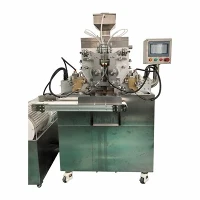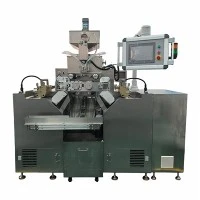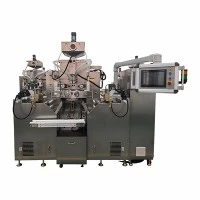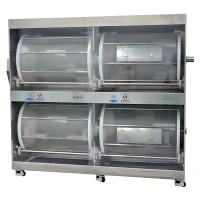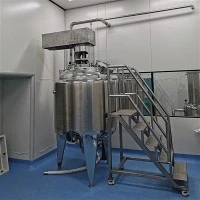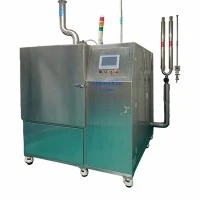

A vacuum mixing tank mainly consists of a mixing system, a vacuum system, a material tank (carrier), a heating/cooling system, a control system, and a frame and safety devices.
The mixing system is the core of the equipment, typically employing a planetary gear transmission structure to drive the agitator in a complex motion combining revolution and rotation, achieving omnidirectional mixing of the material.
The vacuum system creates a negative pressure environment within the material tank, usually composed of a vacuum pump, vacuum piping, vacuum valves, and vacuum gauges. Its function is to extract air from the container, causing air bubbles in the material to escape and be removed.
The material tank is the container for loading the material, usually with a movable design. Its material can be stainless steel, special alloys, etc., depending on the material characteristics, and must possess good corrosion resistance and sealing performance.
The heating/cooling system controls the temperature of the material. Common methods include jacketed heat exchangers or electric heating devices. The latest technology uses heated air to indirectly heat the inner tank, making the heating process more stable and the effect more consistent.